
Plans to build ultralight and homebuilt aircraft yourself: single-seat ultralights, light two-seat replicas, gliders, motorgliders and gyrocopters. Every set is a full builder package delivered as an instant PDF or ZIP download.
Aircraft Plans


Aircraft Plans
Aircraft Plans
Aircraft Plans
Aircraft Plans
Aircraft Plans
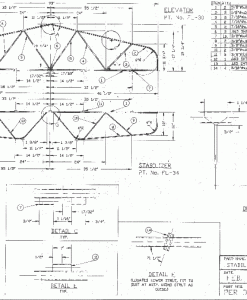
Ultralight and homebuilt aircraft plans are full-size construction drawings and builder manuals for human-piloted aircraft that an amateur can build in a workshop. At Plans for U these are delivered as downloadable PDFs, priced $4–$10, available instantly after purchase. The range covers FAR-103-class single-seat ultralights, light two-seaters, wood and tube-and-fabric construction, motorgliders, and gyrocopters — the strongest-demand segment in amateur aviation. Where many sites publish only a low-resolution preview, the plans here are full builder packages: dimensioned drawings, construction manuals, hardware and materials lists.
Files are standard PDFs. Full-size sheets — often scanned from clear A1 originals — can be taken on a USB drive to a print shop and plotted at building scale. Construction methods are deliberately simple: spruce-and-plywood or aluminium/steel tube-and-fabric, buildable with basic woodworking and hand tools, and in several designs without any welding.
Single-seat ultralight aircraft plans
- J1-B Homebuilt Ultralight Aircraft Plans — single-seat tailwheel pusher with a 13% Clark Y airfoil; full-size plans, builder's manual and photo gallery. Suits engines up to 50 hp including VW and Rotax. A store best seller.
- Lightweight Ultralights — Wood Construction — five wood designs (SNS-2 Guppy, Pietenpol Sky Scout, Ultra Baby, Flying Flea, AC-15 Guapo), basic tools, no welding
- Lightweight Ultralights — Tube — five tube-frame designs (The Cabin, Fike Model D, Heath LN Parasol, J3 Kitten, Pfeifer 1937)
- Weedhopper, Woodhopper, Whing Dhing — three of the simplest ultralights ever flown
Light two-seat homebuilts & replicas
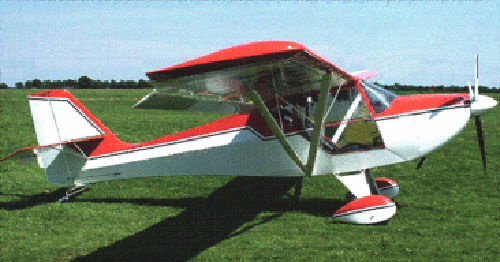
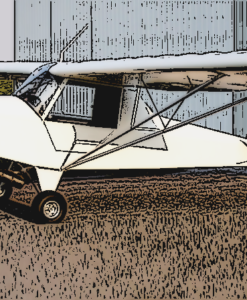
- "The Raven" Kitfox Replica Plans — two-seat high-wing tube-and-fabric, folding wings, 45 drawings plus a 160-page builder's manual; empty weight 440 lb with a 50 hp Rotax 503
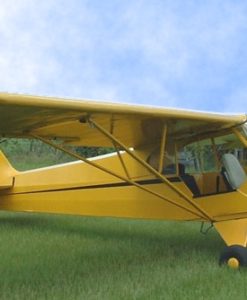
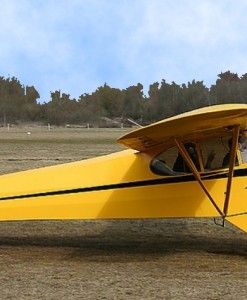
- Piper J-3 Cub Replica Plans — full-size welded-tube-and-fabric Cub replica with wood-spar wings
Gliders, motorgliders & rotary wing
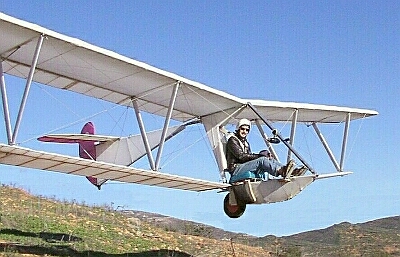
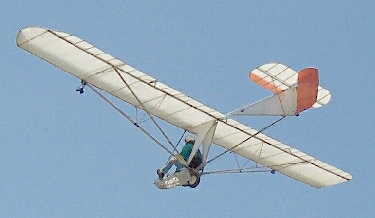
- Ultralight Gliders, Powered or Unpowered — multiple single-seat designs (Goat, Bug, Enduro, Flybike) with classic plans plus CAD
- Moni Motorglider & Monerai Sailplane — construction and assembly drawings
- 10 Rotary-Wing Helicopter & Gyrocopter Plans — single-seat designs including the Bensen and Gyrobee, among the simplest rotary-wing aircraft ever built
Vintage homebuilt designs that still fly
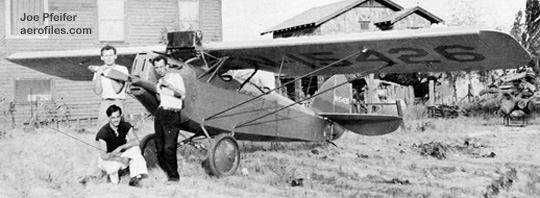
Several Golden-Age designs remain practical builds today. The original construction articles are available individually: the Pietenpol Air Camper (the design that defined American homebuilding), the Corben Baby Ace, the Heath Parasol, and the tandem-wing Mignet HM.14 Flying Flea.
Engines & accessories
Most ultralights need an affordable powerplant. The VW and Half-VW aero-engine conversion plans cover 25–60 hp air-cooled conversions popular across homebuilt aviation. To fly off water, add the floats and pontoons for homebuilt aircraft, sized for aircraft from 550 to 1,500 lb and fitted to Kitfox, Avid Flyer, Cub replicas and J1-B ultralights.
Is it a Part 103 ultralight?
In the United States, an aircraft that meets the FAA's Part 103 rules (14 CFR 103.1) is an ultralight vehicle. It needs no pilot certificate, medical, registration or airworthiness certificate (14 CFR 103.7). To qualify, a powered ultralight must:
- carry a single occupant, and be used for recreation or sport only
- weigh less than 254 lb empty, not counting floats or emergency parachutes
- hold no more than 5 US gallons of fuel
- be capable of no more than 55 knots calibrated airspeed at full power in level flight
- stall at no more than 24 knots calibrated airspeed with the power off
An unpowered ultralight (a glider) must weigh less than 155 lb. Whether your finished aircraft qualifies depends on how you build it, so weigh it and check every limit. Designs that go over them, including two-seaters such as the Kitfox replica, are flown as experimental amateur-built aircraft: those need FAA registration and an airworthiness certificate, and the pilot needs a pilot certificate. See the FAA's guidance on amateur-built aircraft and ultralights.
FAQ
What's the difference between an ultralight and a homebuilt aircraft?
An ultralight is a very light, usually single-seat aircraft that in the US falls under FAR Part 103 (no licence or registration for compliant aircraft). "Homebuilt" is broader — any amateur-built aircraft, including heavier two-seat experimental designs. This page covers both.
Do I need welding skills to build these?
Not always. The wood-construction ultralights and several tube designs use bolted or riveted assembly. The Piper Cub replica and some tube-and-fabric designs do require welding. Each product page notes the construction method.
What format and how are plans delivered?
All plans are PDF files by instant download. Full-size drawings can be plotted at A1 at a print shop.
Which ultralight is easiest for a first build?
The wood-construction ultralights and the J1-B are commonly chosen first builds because of simple spruce-and-plywood construction and detailed manuals.